
American LNG had a run of milestones this spring. On 22 April 2026, Golden Pass LNG shipped its first cargo and became the ninth U.S. export terminal, the only new one expected to start up this year. The project pipeline moved as well: Commonwealth LNG in Louisiana took a positive final investment decision in mid-May, and Delfin Midstream sanctioned the country's first floating LNG vessel in early June. For anyone who supplies the hardware inside gas plants, the read is simple. More liquefaction capacity is being built, and every train needs the columns and adsorbent beds that clean and dry the gas before it is chilled.
A record run of investment
The spring headlines sit on a much larger trend. 2025 was the biggest year on record for LNG final investment decisions worldwide, and the United States drove most of it after Washington lifted its pause on new export permits in early 2025. Recent U.S. milestones include:
- Golden Pass LNG shipped its first cargo on 22 April 2026, becoming the ninth U.S. export terminal.
- Commonwealth LNG, a 9.5 million tonne per year plant in Cameron, Louisiana, reached a positive final investment decision on 15 May 2026, backed by about 9.75 billion dollars in financing.
- Delfin Midstream sanctioned the country's first floating LNG vessel on 3 June 2026, a roughly 5 billion dollar project off the Louisiana coast.
The International Energy Agency counts three U.S. projects reaching FID through early June 2026, together adding around 31 billion cubic metres a year of nameplate capacity. The United States has taken the bulk of global LNG final investment decisions since the permitting pause ended, which makes it the pipeline the equipment supply chain now watches most closely.
Part of a bigger wave
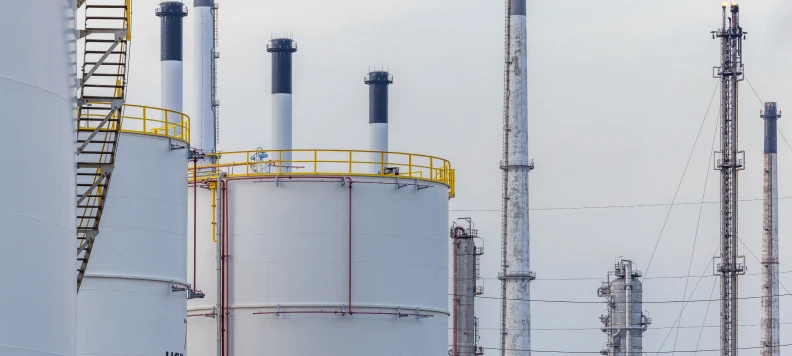
These projects are one part of a broader build-out. U.S. LNG export capacity is on track to roughly double by the end of the decade as sanctioned projects come online. Demand is holding up as well: conflict around the Strait of Hormuz has kept about a fifth of global LNG supply at risk and prices elevated, which pushes buyers in Europe and Asia to lock in long-term supply from U.S. sellers. Because a liquefaction plant takes four to five years to build after its FID, each decision locks in years of construction and equipment orders rather than a one-off purchase. Each new terminal is a multi-train facility, and every train carries the same gas-treating and drying steps, whatever the liquefaction technology behind it.
What it means for process-media suppliers
Before natural gas can be liquefied at around -161 °C, it has to be cleaned and dried, and that pretreatment runs on the same equipment in plant after plant.
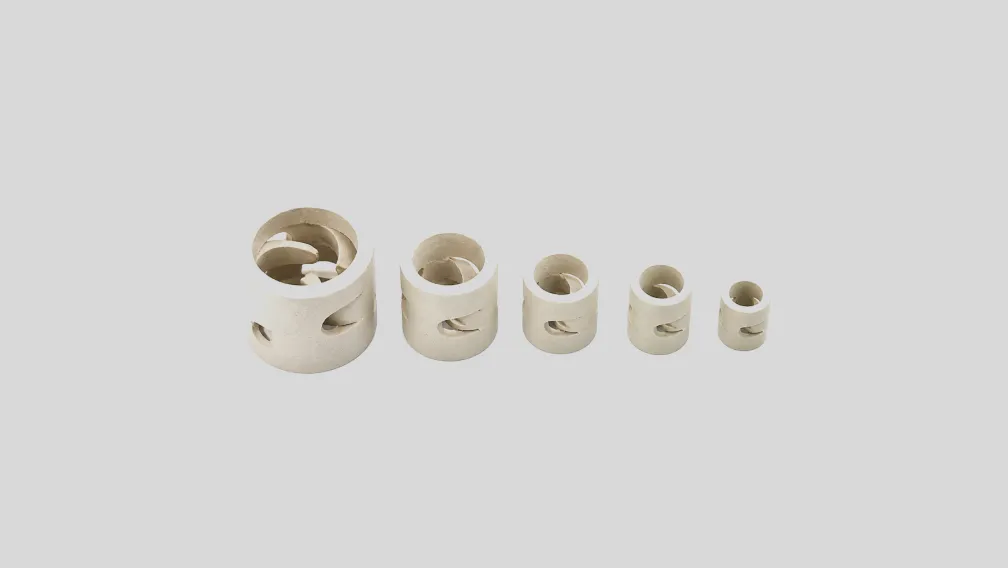
First comes acid gas removal. The raw gas passes up an absorber column while an amine solvent runs down it, stripping out CO2 and hydrogen sulphide, and a second stripper column regenerates the solvent. Both columns depend on close gas-liquid contact, which happens across the random and structured packing inside them, held and distributed by tower internals such as distributors and support plates.
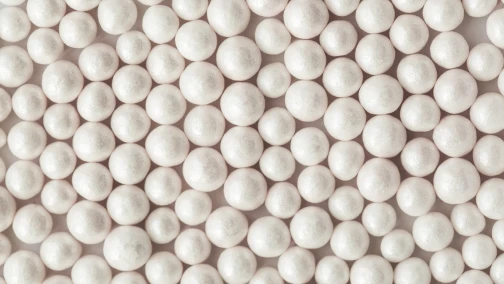
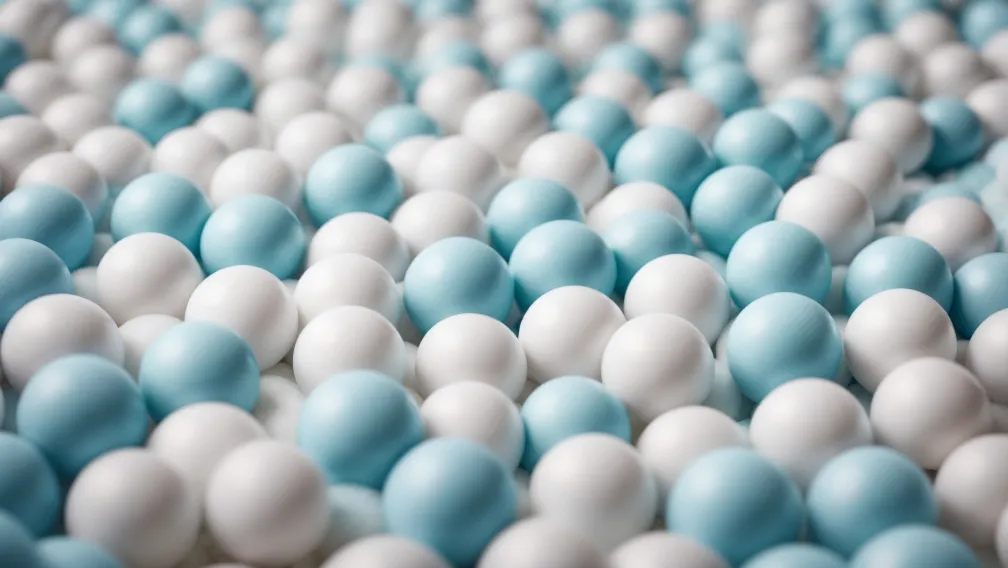
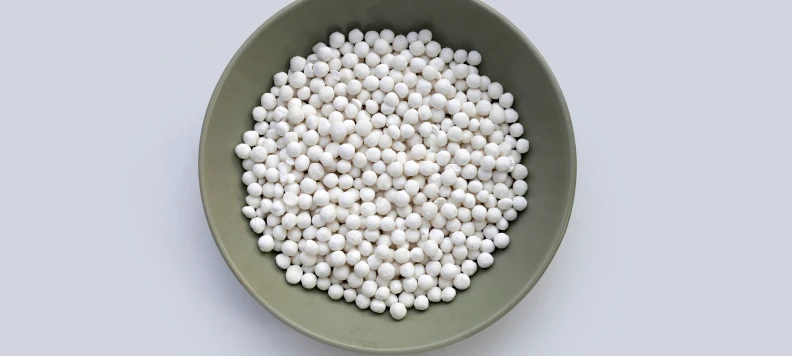
Then the gas is dried. Even a trace of water freezes in the cryogenic section, so LNG plants pull moisture down to very low levels over fixed beds of molecular sieve, usually 4A or 3A, regenerated by heat. Larger-pore 5A and 13X grades take out mercaptans and other sulphur species in the same block, and activated alumina often handles bulk drying ahead of the sieve. Mercury is stripped out on dedicated sorbent beds in the same block, and the adsorbent beds sit on layers of inert ceramic support balls that hold them in place and spread the flow. More trains means steady, repeating demand for all of it.
Where Rongjian fits
At Rongjian we make the process media and hardware these trains rely on: tower packing in random and structured designs, tower internals, and adsorbents including molecular sieve and activated alumina for gas drying and sulphur removal. If your project involves LNG, gas sweetening or dehydration, tell us the column duty and the gas stream, and we will help you specify the right materials. Reach out through the enquiry form or contact your Rongjian representative.
-

BrandName Team
Process Media Manufacturer Since 2010
Rongjian produces tower packing, molecular sieves, ceramic grinding media and other process media from our Pingxiang production base. We supply to industrial projects in over 100 countries.